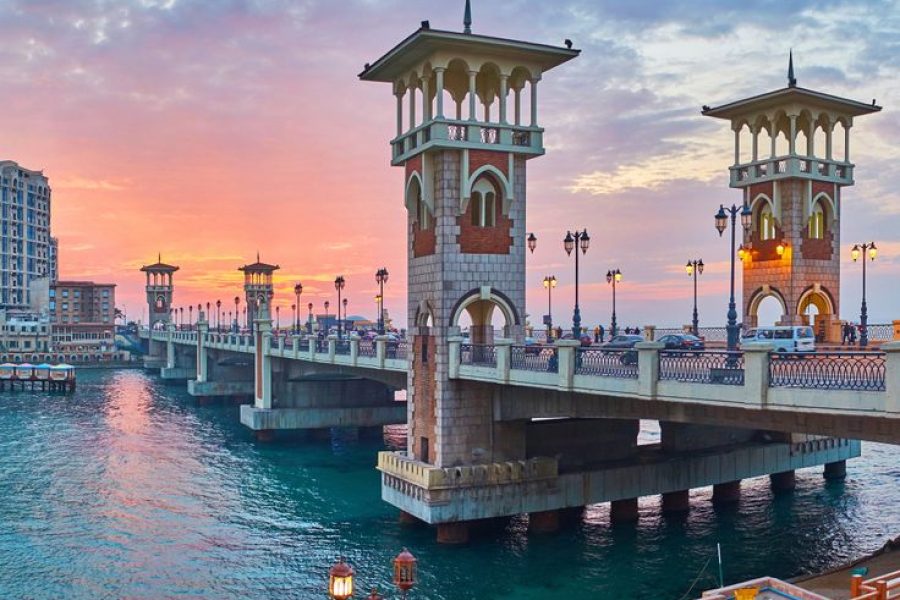
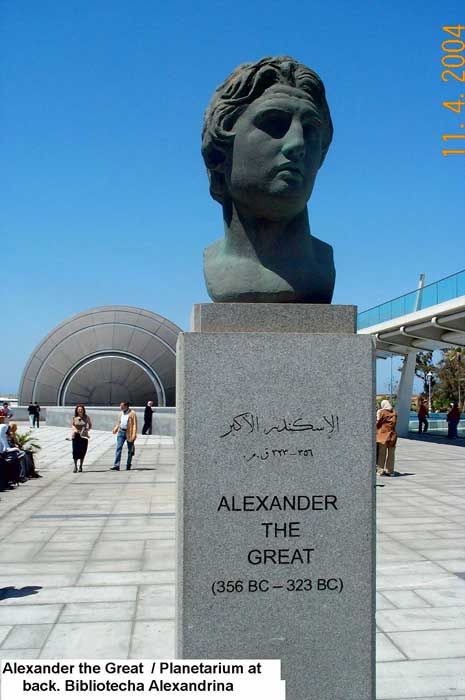
Alexandria, Egypt's second-largest city, lies on the website Mediterranean coast, and its history stretches back over two millennia. Founded in 331 BCE by Alexander the Great, it was designed to be a hub of trade, culture, and knowledge, a role it played for centuries. Alexandria became the intellectual heart of the ancient world, boasting one of the most famous libraries in history and a bustling port that connected Egypt with Greece, Rome, and beyond.
The Ancient Glory of Alexandria
Alexandria’s roots go back to the moment Alexander the Great chose the site as his city, envisioning it as a center for Greek culture and commerce. The city quickly grew into a cultural, intellectual, and economic powerhouse under the rule of the Ptolemaic dynasty, which began with Ptolemy I, a general of Alexander. Under the Ptolemies, Alexandria flourished and became the capital of Egypt, outshining other cities in terms of learning, art, and architecture.
The Library of Alexandria
The most legendary institution in ancient Alexandria was the Library of Alexandria, a beacon of knowledge that attracted scholars from all over the world. It is believed to have housed hundreds of thousands of scrolls covering every field of knowledge—science, philosophy, literature, and history. The library’s most famous patrons included scholars like Euclid, Archimedes, and Eratosthenes. Though the library was destroyed in a series of unfortunate events, its legacy as a symbol of intellectual pursuit endures to this day.
The Lighthouse of Alexandria
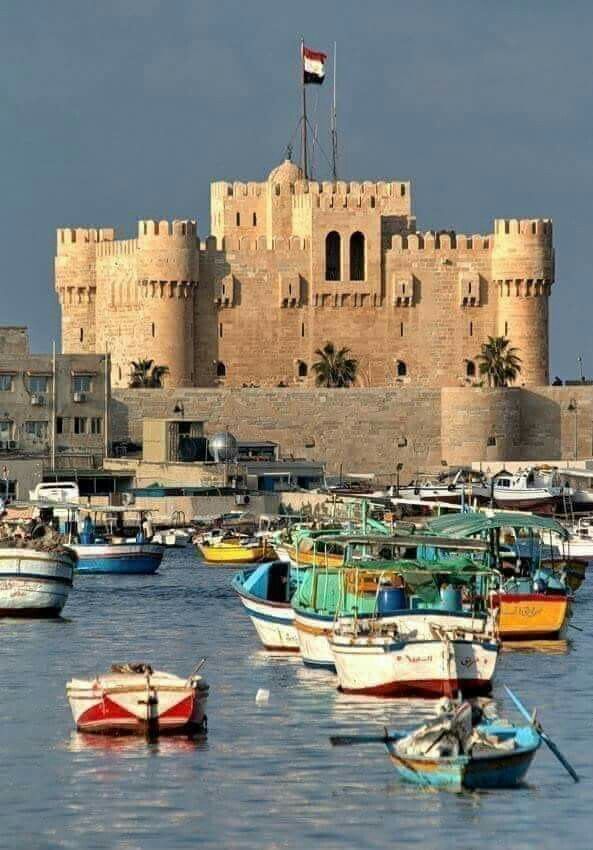
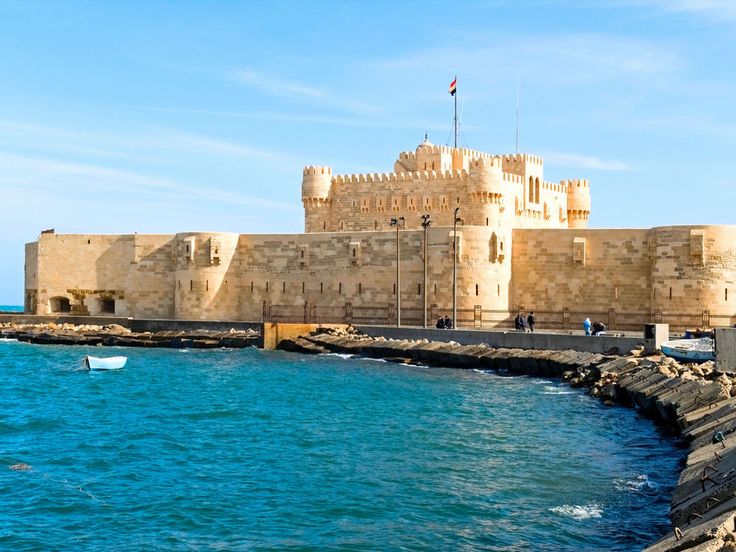
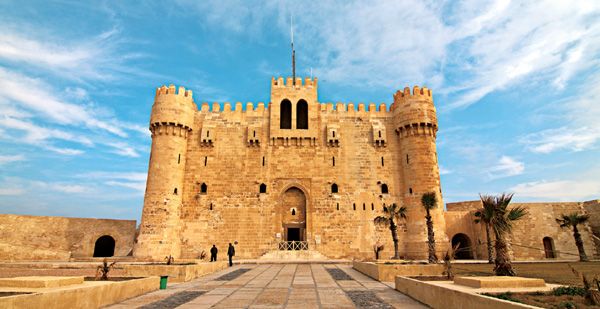
Another wonder of the ancient world, the Lighthouse of Alexandria (or Pharos), stood at the entrance to the harbor and guided sailors safely to the city's shores. The lighthouse was considered one of the Seven Wonders of the Ancient World and was so impressive that the word “pharos” later came to mean “lighthouse” in many languages.
Cleopatra and the Ptolemaic Dynasty
Alexandria reached its zenith under the rule of Cleopatra VII, the last queen of the Ptolemaic dynasty. Though famous for her relationships with Julius Caesar and Mark Antony, Cleopatra also worked tirelessly to preserve Egypt's independence from Roman control, making Alexandria a center of political and intellectual power during her reign. Under Cleopatra, the city’s cultural influence spread throughout the Mediterranean.
The Fall and Rebirth of Alexandria
After the death of Cleopatra in 30 BCE, Alexandria and Egypt fell under Roman rule. The city continued to be an important hub of commerce, but its political significance waned. Over the centuries, Alexandria experienced several changes, including the rise of Christianity in Egypt, which led to the destruction of pagan temples, the decline of the Library, and a shift in Alexandria’s role as a cultural capital.
Despite these challenges, Alexandria remained an essential city throughout the Byzantine and Arab periods, though many of its ancient buildings were lost to time, earthquakes, and other natural disasters.
Modern Alexandria: A City of Contrast
Today, Alexandria is a modern city that blends its ancient heritage with vibrant contemporary life. Its Mediterranean location makes it a popular seaside destination, offering a more relaxed atmosphere compared to Cairo. Yet, the city’s streets, museums, and monuments tell the story of Egypt’s diverse history.
Modern Landmarks and Attractions
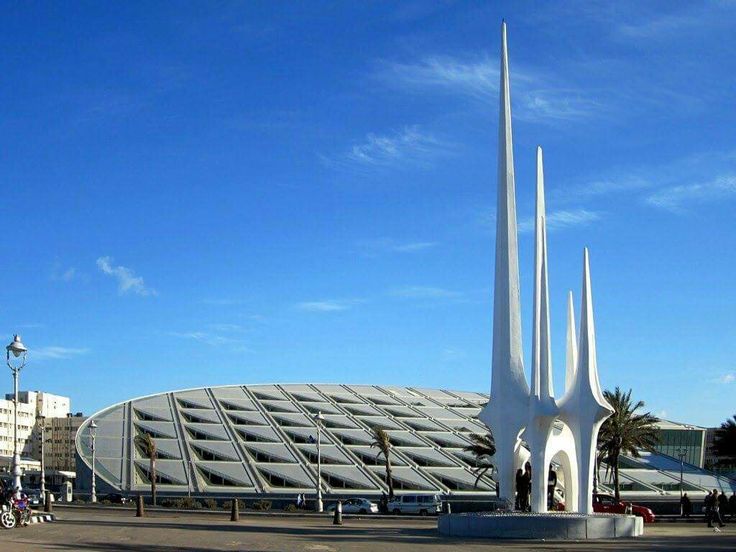
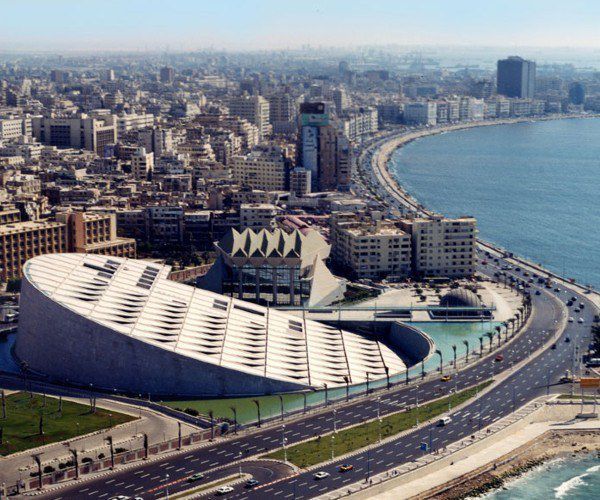
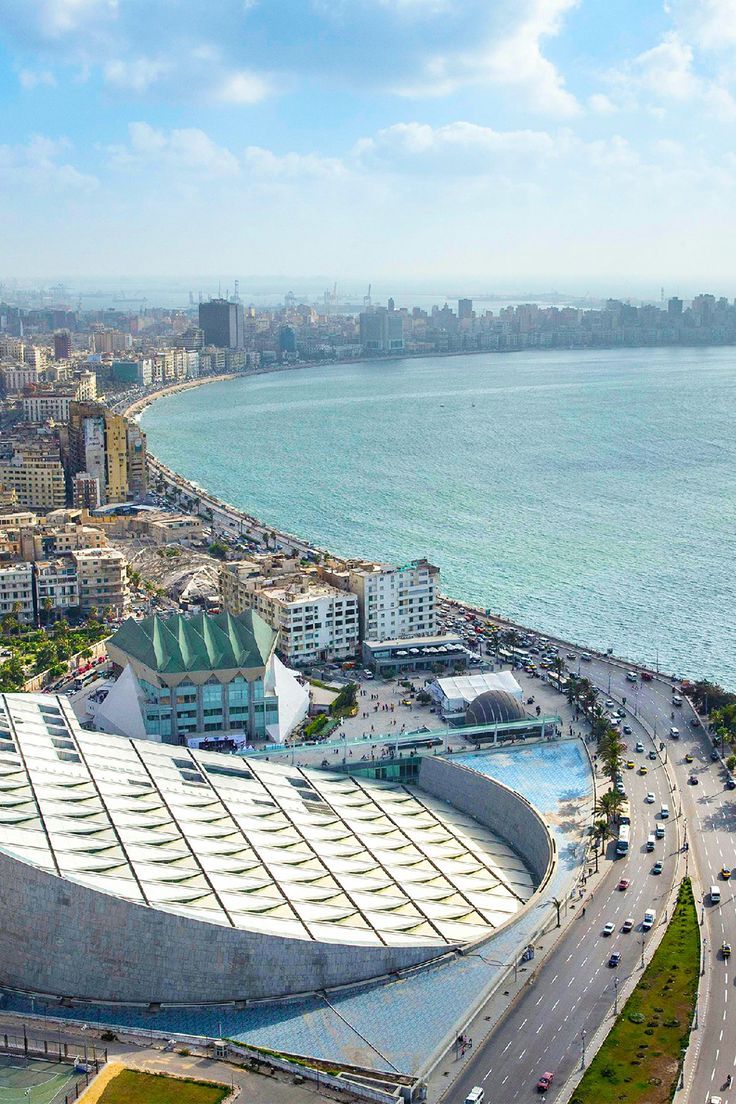
The Bibliotheca Alexandrina: A modern library built in homage to the ancient Library of Alexandria, the Bibliotheca Alexandrina is an architectural marvel and a center for learning, culture, and research. It houses millions of books, galleries, museums, and an iconic reading hall that symbolizes Alexandria’s ongoing legacy of knowledge.
Pompey’s Pillar: This Roman triumphal column, standing about 25 meters tall, was erected in honor of the Roman Emperor Diocletian and is one of Alexandria’s most notable monuments.
The Catacombs of Kom el Shoqafa: These multi-level underground tombs date back to the 2nd century CE and reflect Alexandria’s diverse cultural heritage, combining Egyptian, Greek, and Roman burial practices.
Roman Amphitheatre: Built during the Roman period, this well-preserved amphitheater offers visitors a glimpse into Alexandria’s Roman past, with a seating capacity of 800 spectators.
The Alexandria National Museum: Housed in a former palace, this museum offers a comprehensive look at the city’s history, from its Pharaonic roots to the Islamic period, with collections of statues, pottery, and artifacts from different eras.
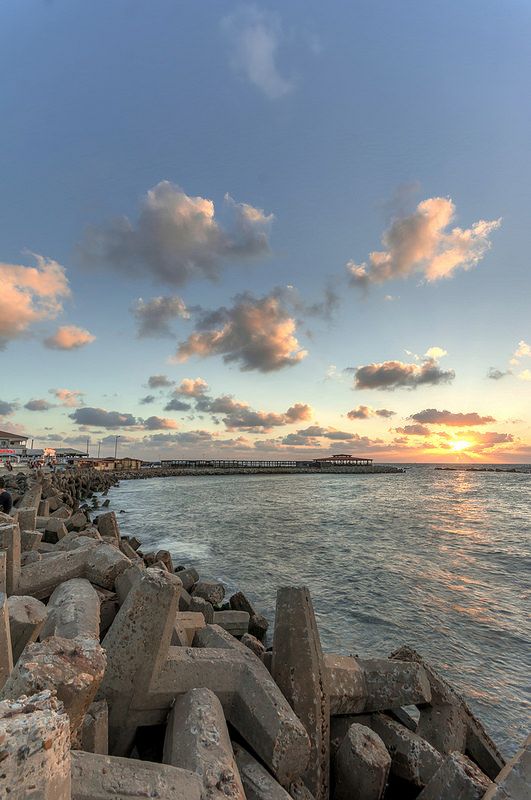
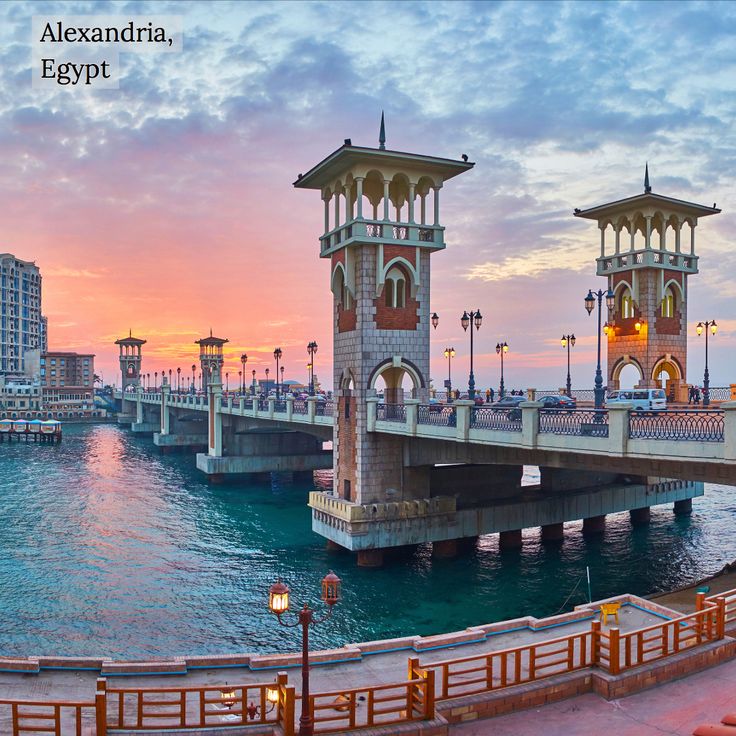
The Alexandria Corniche: The Corniche, a waterfront promenade along the Mediterranean, offers stunning views of the sea and is home to several cafes, restaurants, and historic hotels, including the famous Sofitel Cecil Hotel where luminaries like Winston Churchill once stayed.
Cultural Heritage
Alexandria is a melting pot of Egyptian, Greek, Roman, and Arab influences, visible in its architecture, cuisine, and culture. The city celebrates its rich heritage through festivals, theater, music, and art. The annual Alexandria International Film Festival and Alexandria Opera House are key cultural events, showcasing the city’s vibrant creative scene.
Conclusion
From its ancient beginnings as the seat of the Ptolemaic dynasty to its modern role as a bustling Mediterranean city, Alexandria is a place where history, culture, and the arts come together in a rich tapestry. Whether you’re exploring the Catacombs of Kom el Shoqafa, strolling along the Corniche, or visiting the Bibliotheca Alexandrina, Alexandria offers visitors a chance to experience the echoes of ancient civilizations, making it one of Egypt’s most fascinating cities.

 WhatsApp